
Table of Contents
HFY HUB Score – 9.4 out of 10
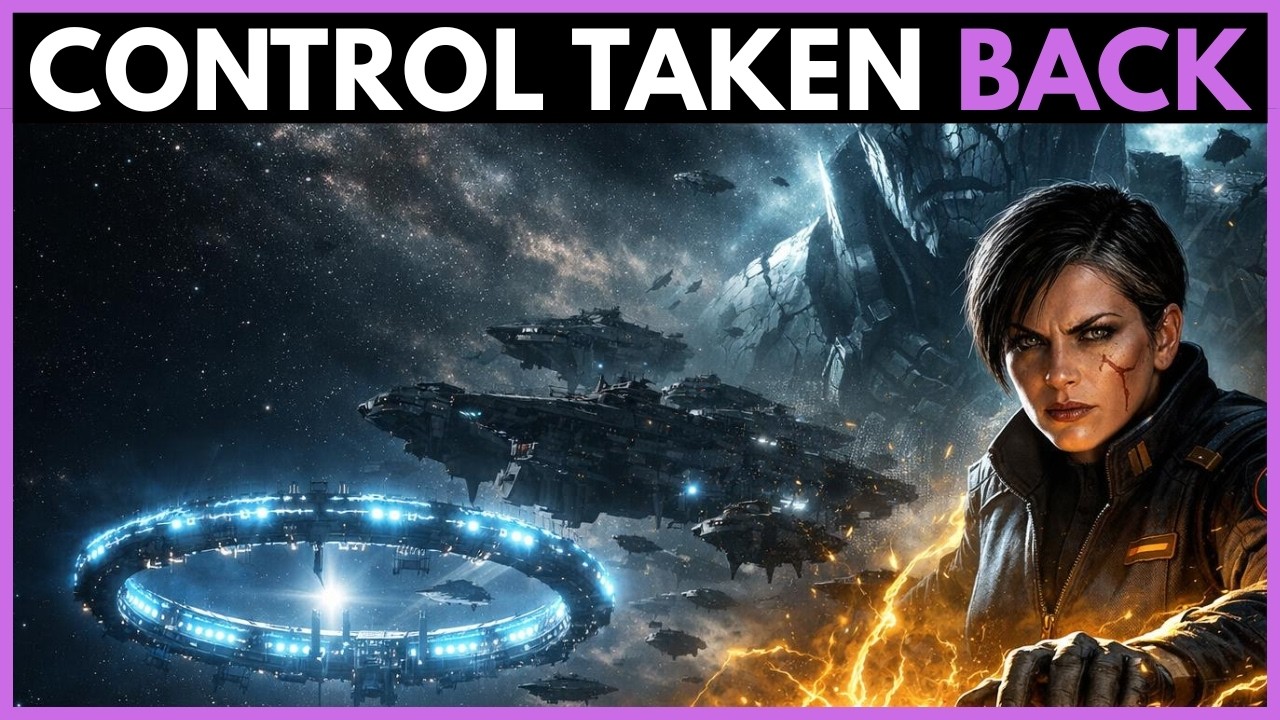
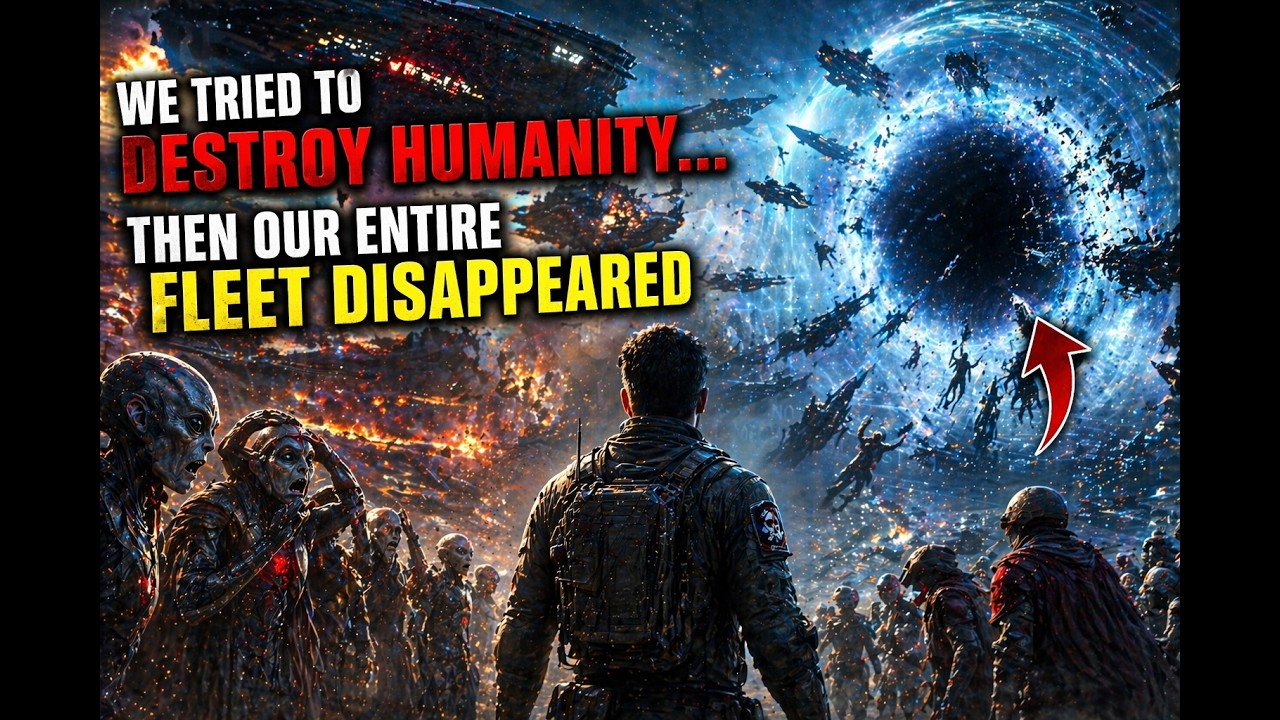
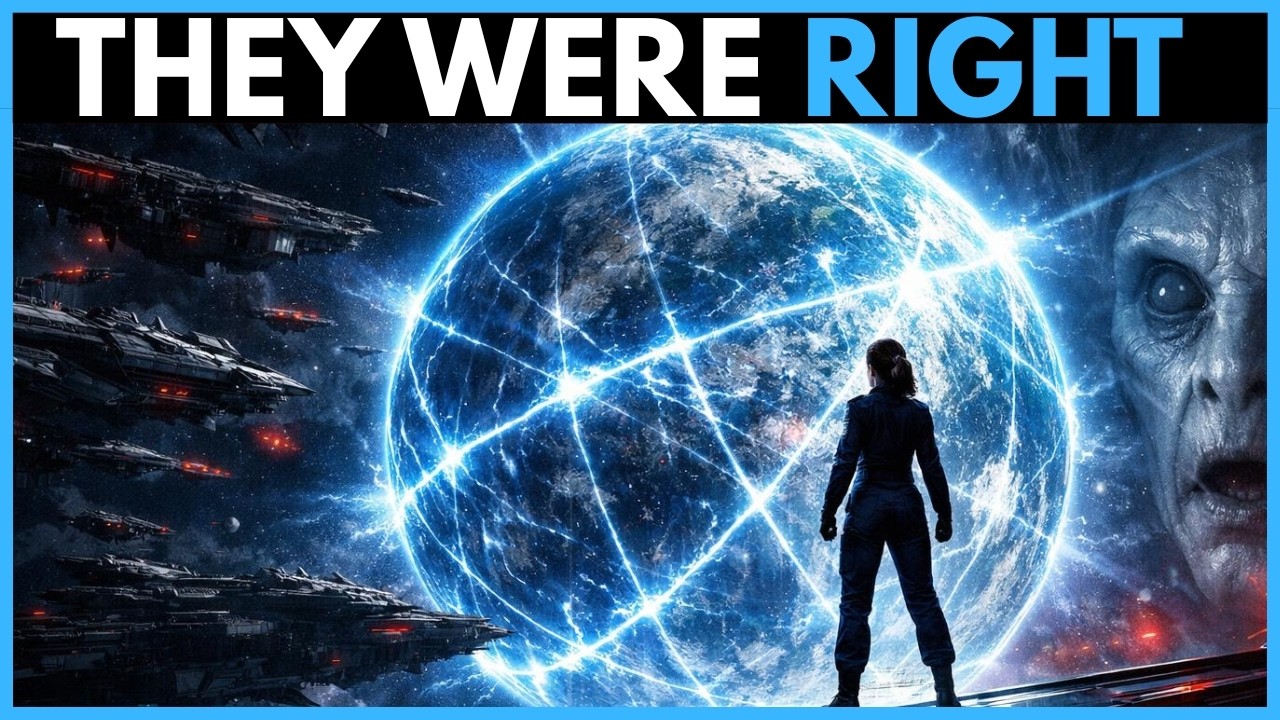
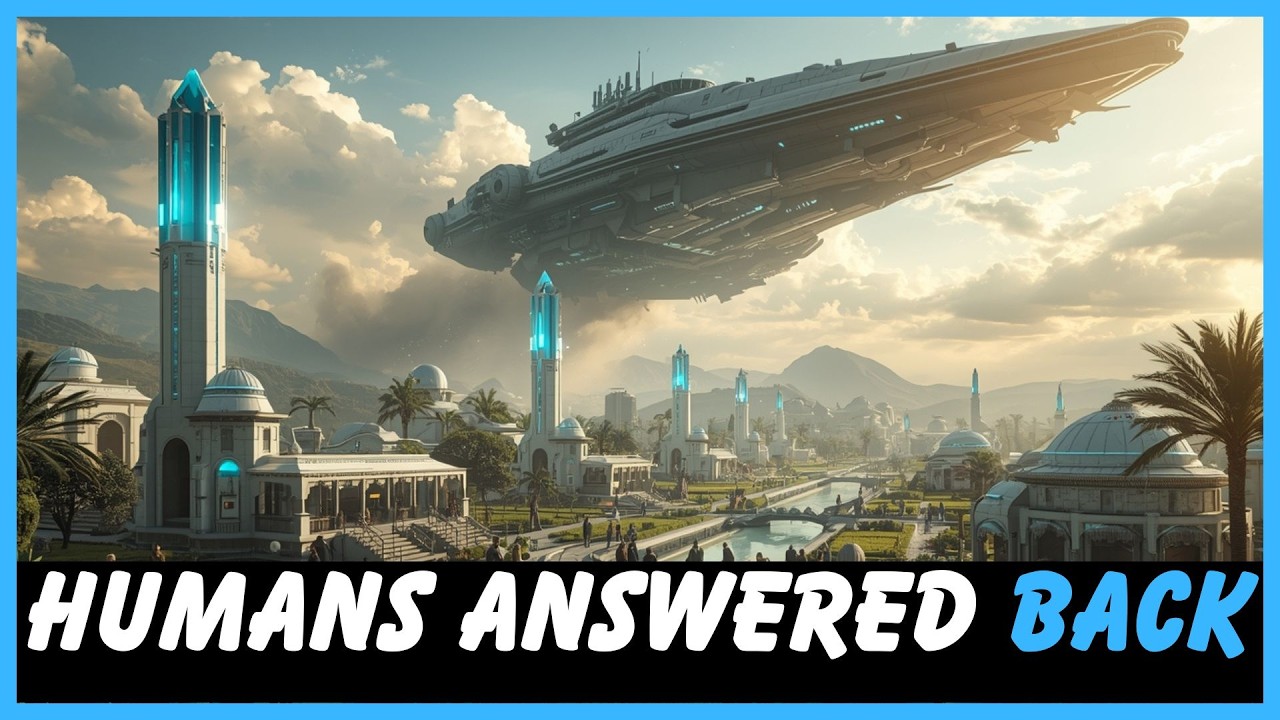
I’m not crying, you’re crying. Okay, maybe I am a little bit. This one got me right in the chest. The Keth Hegemony has controlled humanity for over 200 years after the first contact war—”protection” that’s really occupation. A monitoring station on the edge of their space picks up a sensor ping. It’s a ship. A human ship. The ISV Iron Grace, declared lost 212 years ago after ramming a Keth dreadnought and disappearing into a fold in space. The sensor officer’s hands are shaking. The commander’s jaw tightens. And then they zoom in and see words painted on the hull: “We came back.” I had to stand up and walk around my living room. Commander Lena Vasquez, born on that ship, never seen Earth, is bringing it home. Along the way, they stop at a station where 47 humans are being held as “labor” and the Keth enforcement ships take one look at the Iron Grace and release them without a fight. The third fleet—200 warships—tries to stop them. The Iron Grace punches through. Then the garrison at Earth—8 ships—tries. They fail. And when the full Keth fleet of 3,000 ships arrives, Earth doesn’t cower. Admiral Senna Park has been preparing for 30 years—mining vessels turned into warships, construction platforms that are actually weapon systems, all technically legal under the “protection agreement.” The fleet takes one look at the defenses and the Iron Grace and negotiates. The line “We don’t have to win. We have to make winning too expensive” is pure strategy. The ending—shipborn humans stepping onto Earth for the first time, one crouching to touch the ground—broke me. This is about returning, about endurance, about hope that never died.
Number 1. World-Building Vibe Check: 10 out of 10
This is my favorite kind of world-building—lived-in, detailed, full of history you can feel. The Keth Hegemony is a 400-year-old empire that absorbs species through efficiency, not cruelty, which makes their occupation of Earth feel almost bureaucratic, which is somehow worse. The Iron Grace’s journey: lost in a “dead pocket” where time moves differently, survivors building a civilization on a single ship over 22 years (212 outside), scavenging ancient technology from a graveyard. Earth under “protection”—not broken, but waiting. Admiral Park’s hidden preparations over 30 years. Every detail feels earned.
Number 2. Character Cred: 10 out of 10
Commander Lena Vasquez is a legend in the making. Born on that ship, never seen Earth, but she carries the weight of 200 years. Her voice is calm, measured, absolutely unbreakable. “You have 200 ships. I have one. Your numbers are wrong.” Admiral Senna Park—81 years old, spent three decades preparing for this moment, steps onto the Iron Grace with no security, just presence. The sensor operator Thresh and Commander Yarella on the monitoring station—their disbelief, then recognition, then fear. Every character, human and alien, feels real and motivated.
Number 3. Xeno-Biology Integration: 6 out of 10
Again, not the focus. The Keth are described through their psychology and systems—efficient, procedural, confident until they’re not. The horror of the “dead pocket” is temporal and spatial, not biological. The Iron Grace’s crew are shipborn humans, adapted to artificial gravity and recycled air, but their physicality isn’t a major theme. This is a story about return, legacy, and strategic positioning, not deathworlder biology.
Number 4. Dialogue Drip: 10 out of 10
“We came back.” Those three words on the hull do so much work. “You have 200 ships. I have one. Your numbers are wrong.” “I’m not going to fire on you. I want you to watch.” “We don’t have to win. We have to make winning too expensive.” “This is what it looks like when it starts.” “They thought we were done. They thought we had adjusted. They thought we had accepted. They were wrong.” Every line lands. The dialogue is sparse, confident, and hits like a hammer.
Number 5. The Xeno-WTF Meter: 10 out of 10
The Keth go from “it’s a lost ship, impossible” to “it’s coming directly toward our core systems” to “it just made our enforcement ships release prisoners without a fight” to “it just crippled our 200-ship fleet with minimal damage” to “it’s in Earth orbit and our garrison can’t stop it” to “our 3,000-ship fleet is negotiating instead of fighting.” The alien commander’s realization that “winning” would mean destroying everything and the cost is too high—that’s the ultimate WTF for an empire that’s never been challenged.
Number 6. The “Hold My Beer” Quotient: 9 out of 10
A ship that’s been lost for 212 years comes back from a dimensional anomaly, having rebuilt itself into a three-times-larger warship, and just… flies through enemy territory. No stealth, no asking permission, just “we’re going home, get out of the way.” That’s the energy. Then Earth reveals 30 years of hidden preparations—mining vessels that are secretly warships, construction platforms that are weapons. The whole situation is a “hold my beer” that’s been brewing for centuries.
Number 7. Action & Escalation: 9 out of 10
The action is surgical and focused. The first engagement with the 200-ship fleet: the Iron Grace’s spine laser cuts a dreadnought clean in half, the arrows disable engines, the Keth formation breaks. The garrison engagement: eight ships, precision targeting, weapons disabled, no unnecessary destruction. The massive fleet arriving and then not firing—that’s the escalation. The action isn’t about spectacle (though the spine laser is cool), it’s about demonstrating capability so clearly that the enemy chooses not to fight.
Number 8. Narrative Gut-Punch: 10 out of 10
The opening: a monitoring station on the edge of nowhere, a tired commander planning retirement, then a sensor alarm that changes everything. The historical record of the first contact war—humans said no, they fought, they rammed a dreadnought. The Iron Grace’s crew: generations born in a dead pocket, never seen Earth, but they kept the mission alive. The 47 prisoners released at Hera Point—real people saved, not just a plot point. The shipborn pilot crouching to touch Earth’s ground for the first time, no one telling her to, just instinct. I had to pause. That image is seared into my brain.
Number 9. Endgame Payoff: 10 out of 10
The negotiation. The Keth fleet withdrawing. The ceasefire terms including “all labor seizures cease, immediately, permanently.” The Iron Grace in orbit, not a conqueror, a symbol. Admiral Park saying “We have work” and Lena agreeing. Then the final scene: Lena alone on the observation deck, Earth filling the view, taking one breath, then turning back because there’s too much to do. The last line: “This time they were wrong.” That’s not an ending, it’s a beginning. Perfect.
Number 10. The Overall “HFY!” Factor: 10 out of 10
This is the epic HFY story. It has everything: a legendary lost ship, a long occupation, hidden preparations, a commander who’s never seen Earth but fights for it anyway, a planet that’s been waiting and building, and a final stand that turns into a negotiation because the enemy realizes the cost is too high. It’s about endurance, legacy, and the power of “we came back.” I’m going to be thinking about this one for weeks.
HFY HUB Score – 9.4 out of 10
Video Courtesy of – Iron Horizon
Video URL – WE CAME BACK FOR EARTH