Table of Contents
HFY HUB Score – 8.9 out of 10
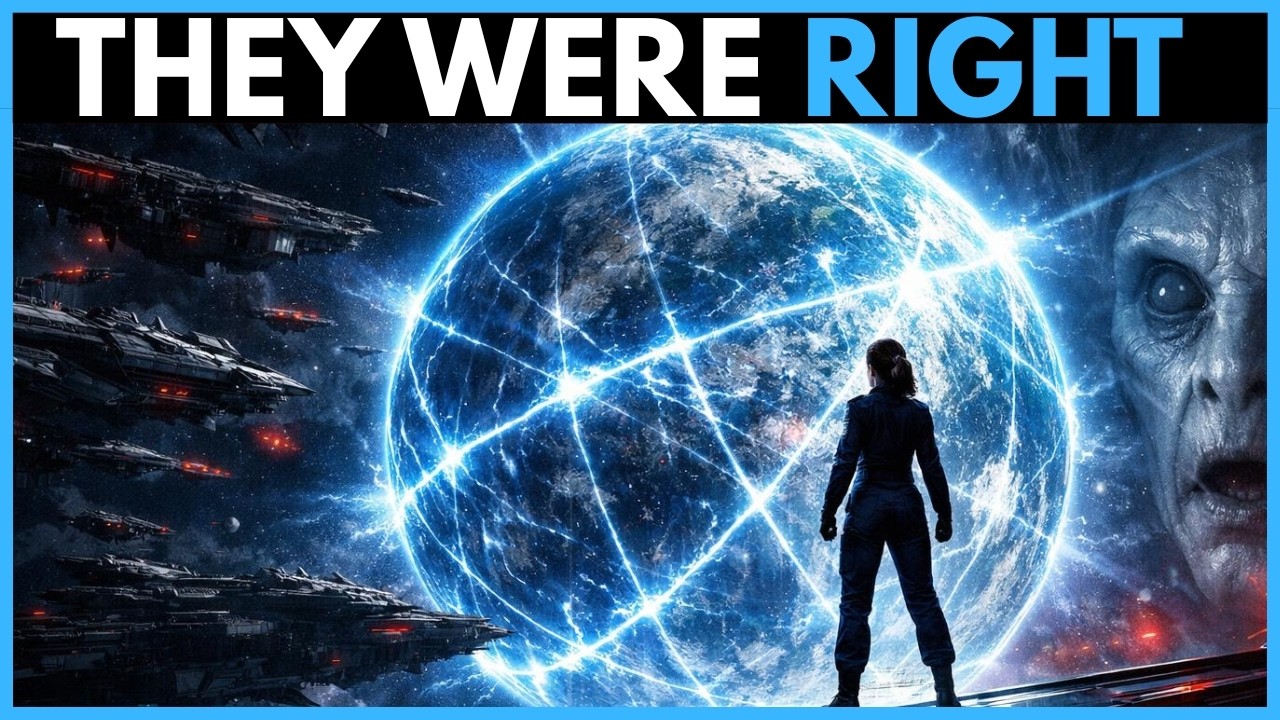
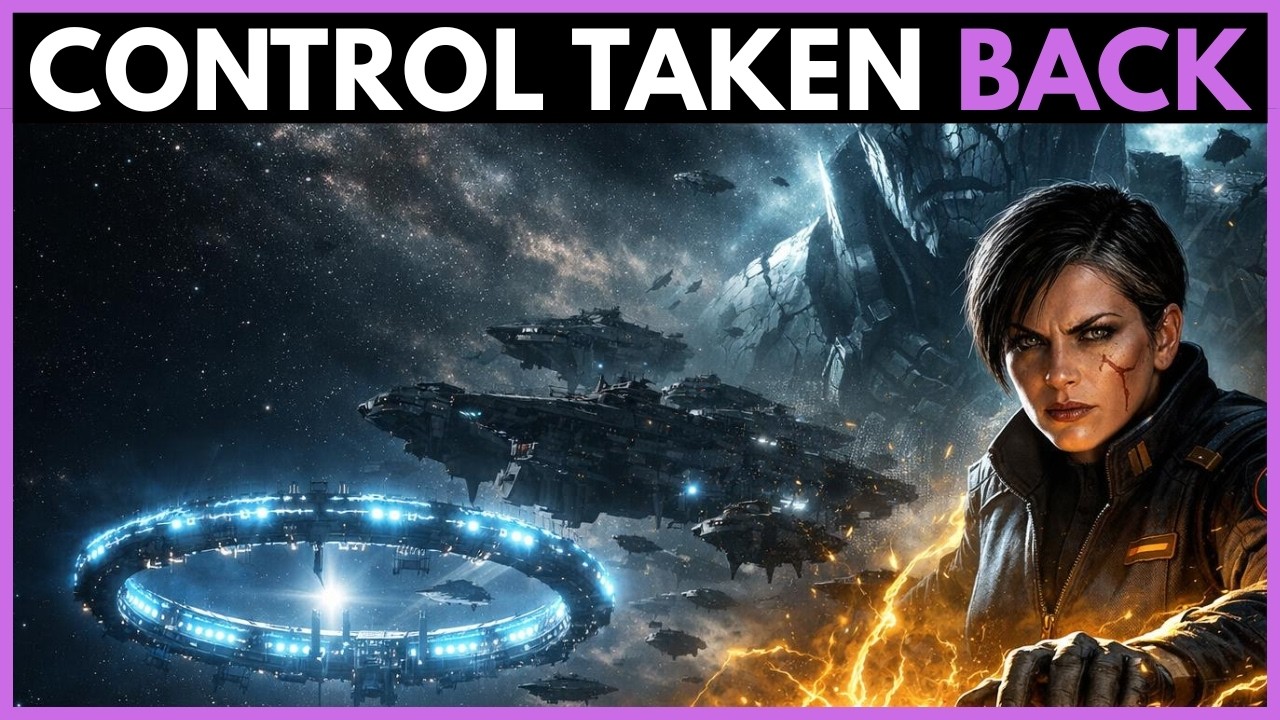
I’m sitting here with my hand over my mouth, because this one started slow and then just kept unfolding into something massive. The aliens don’t attack with ships—they just flip a switch. The life grid that every species depends on? They revoke humanity’s access. Colonies go dark one by one, oxygen counters ticking down to zero, no explosions, just silence. That’s terrifying in a quiet, existential way. Captain Mara Vale is on a dying station, and she notices one line buried in the diagnostics: “Manual override, not recognized.” That line shouldn’t exist. So she starts digging. And dude, the deeper she goes, the more insane it gets. The aliens didn’t build the life grid. They inherited it. And the original builders? Humans. Ancient humans, from before recorded history, built the backbone of galactic civilization. The aliens layered their control on top, but they never understood the core. The core still responds to human lineage. So Mara doesn’t just fight for oxygen—she takes back control of the entire grid. The alien threat to trigger “clean silence” and wipe everything? She cancels it. Then she restructures the whole system so it belongs to everyone, not a ruling class. The line “We fixed what you broke” hit me like a truck. This is HFY as a quiet, patient, inevitable reclamation.
Number 1. World-Building Vibe Check: 9 out of 10
The life grid is such a clever concept—a galaxy-wide system that handles oxygen, energy, navigation, everything, fully automated, and everyone just trusts it. The aliens revoking access is a digital siege, not a physical one. The hidden manual systems, the ancient human architecture buried beneath alien code, the “clean silence” failsafe—it’s all so well thought out. The countdown timer running through the whole story adds incredible tension.
Number 2. Character Cred: 9 out of 10
Captain Mara Vale is my new favorite HFY protagonist. She’s not a soldier, she’s an engineer at heart—curious, stubborn, sees the contradiction that everyone else ignores. Her physical reactions feel real: her fingers hovering over the console, her hand tightening on the edge, her slow breath. The engineer and comms officer are solid support. The alien leader is perfectly bureaucratic and cold, then desperate at the end. Strong character work all around.
Number 3. Xeno-Biology Integration: 7 out of 10
The aliens here are defined by their psychology and systems, not their bodies. The Black Bloom war flashback shows humans burning infected regions and using bio-weapons while aliens hesitated—that’s a nice nod to human physical/biological risk tolerance. But the core conflict is about control, access, and legacy, not claws vs. guns. Works for the story.
Number 4. Dialogue Drip: 9 out of 10
“Your access to the life grid has been permanently revoked.” Cold, calm, bureaucratic evil. “Manual override, not recognized”—that flickering line is the whole story in four words. “We fixed what you broke” is an all-timer. The alien saying “You have taken everything” and Mara replying “No. We fixed what you broke.” That’s the thesis. The final line: “The galaxy wasn’t holding its breath anymore. It was breathing with humanity.” Perfect.
Number 5. The Xeno-WTF Meter: 10 out of 10
The aliens are completely blindsided. They thought they had total control—the grid was their ultimate tool, their leverage. Then a human finds a manual override that shouldn’t exist. Then they discover the grid has layers the aliens didn’t build. Then those layers start responding to human touch. Then the aliens realize they can’t fully control the thing they’ve been using for centuries. Then a human takes primary authority and restructures the entire system while they watch helplessly. Their WTF meter doesn’t just break, it gets erased from existence.
Number 6. The “Hold My Beer” Quotient: 8 out of 10
This isn’t about reckless charging, it’s about stubborn, methodical refusal to accept a locked door. Mara climbing into a hidden maintenance shaft, using physical tools on ancient machinery, forcing pathways open with her hands—that’s a different kind of “hold my beer.” And then, instead of just restoring oxygen, she takes control of the entire grid and rewrites the galaxy’s power structure. That’s a quiet, devastating flex.
Number 7. Action & Escalation: 8 out of 10
The action here is architectural and systemic. Stations going dark, oxygen ticking down, the crew climbing through hidden shafts, the console pulsing like something alive. The escalation is the data revealing itself—the archive showing humanity built the grid, the clean silence protocol activating, the alien fleet charging weapons but unable to fire because the grid is falling apart. The climax isn’t an explosion, it’s Mara stepping into the core and saying “Cancel clean silence.” That’s intense in a different way.
Number 8. Narrative Gut-Punch: 9 out of 10
The betrayal at the beginning—the council summoning human representatives and them never returning—is quietly devastating. The Black Bloom war flashback shows humanity sacrificing everything to save the galaxy, and the reward was slow enslavement through dependency. The moment Mara realizes the grid was originally human and was taken from them—that’s a punch. But the biggest gut-punch is her choosing not to punish the aliens, just to fix the system so everyone can breathe. That’s mercy with steel in it.
Number 9. Endgame Payoff: 10 out of 10
Mara in the core, the system recognizing her lineage, the clean silence protocol dissolving, oxygen restored across every dependent world, and then she doesn’t just stop—she restructures the entire grid. Primary authority transferred. Access restrictions dissolved. Resource distribution equalized. The alien leader saying “You’ve taken everything” and Mara saying “No. We fixed what you broke.” The final image of the galaxy breathing with humanity. That’s a perfect, thematic, emotionally satisfying ending.
Number 10. The Overall “HFY!” Factor: 10 out of 10
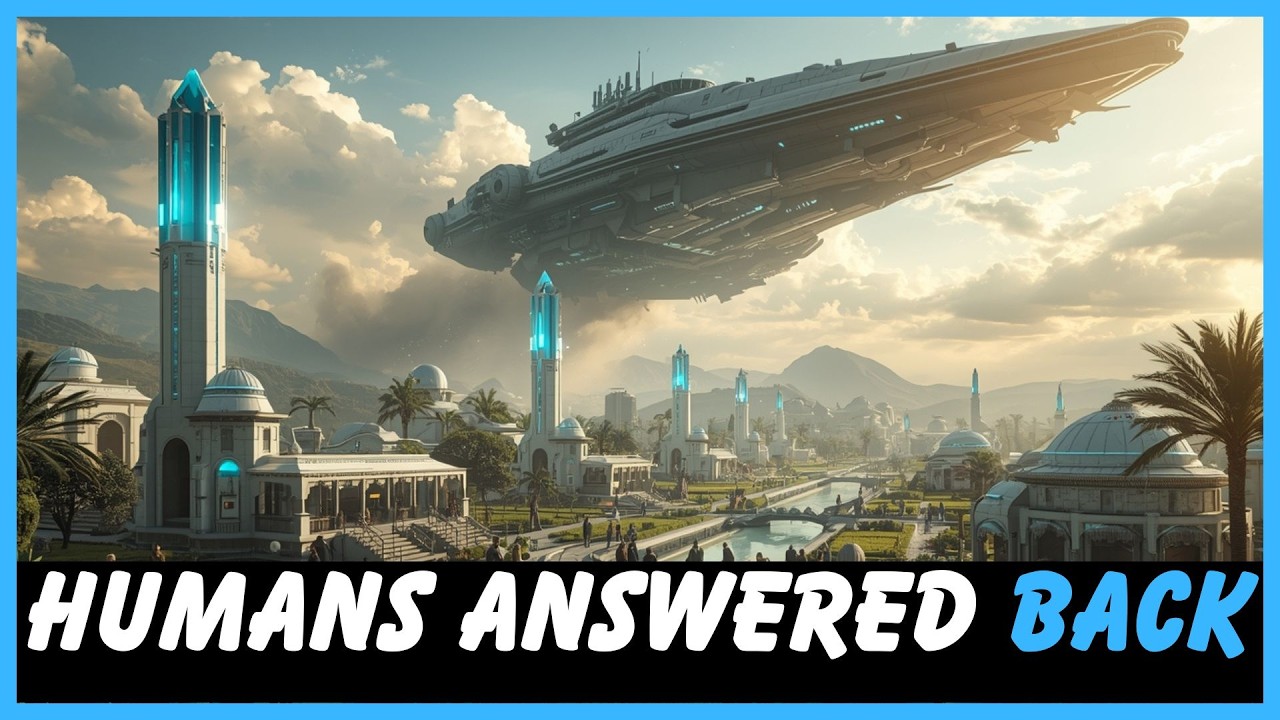
This is HFY as inheritance and responsibility. Humanity built the galaxy’s life support system, had it stolen, were reduced to dependent clients, then took it back not for revenge but to make it work for everyone. The message isn’t “we’re stronger,” it’s “we built this, we understand it, and we won’t let you use it as a weapon.” That’s a mature, powerful take on the genre.
HFY HUB Score – 8.9 out of 10
Video Courtesy of – HFY Cosmos
Video URL – They Revoked Humanity’s Life Support—Then Regretted It