
Table of Contents
HFY HUB Score – 8.8 out of 10
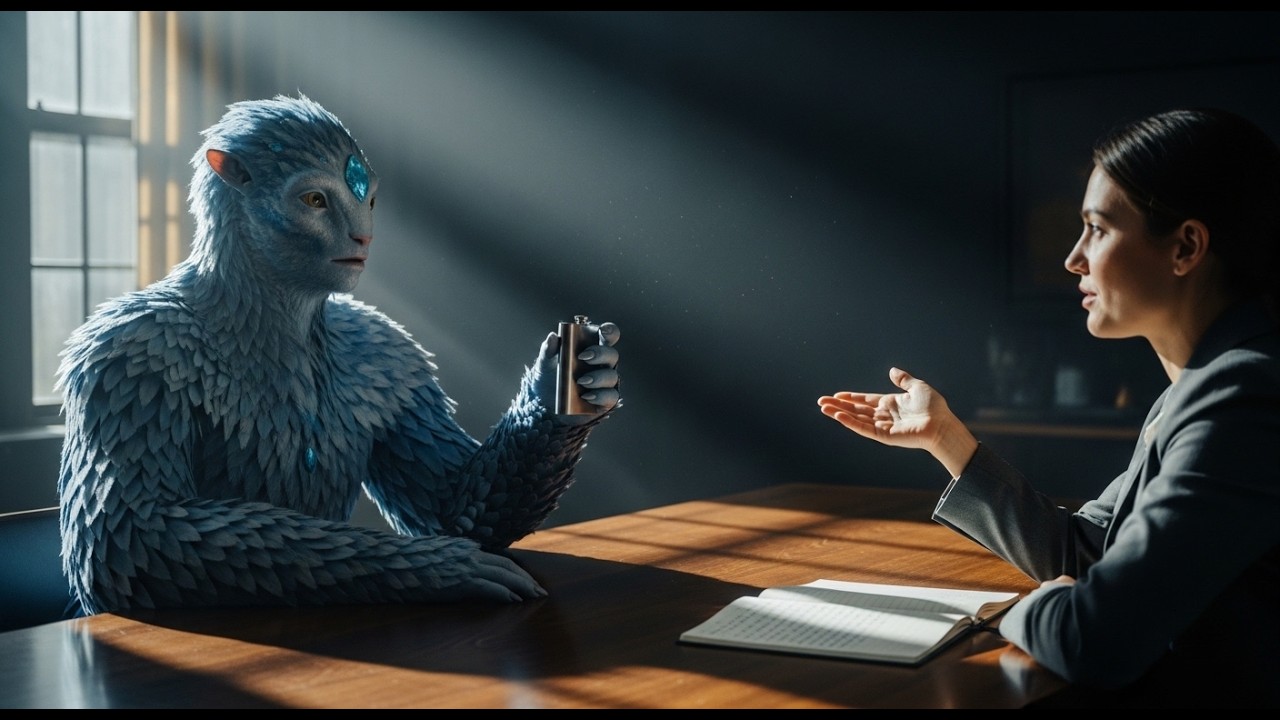
Okay, I need a minute after this one. I actually rubbed my face and sat in silence for a bit. The hook is devastating: the Vereth species has been dying for 11 years – a neural cascade. 47 civilizations have come, studied, and left, all concluding it’s irreversible. Then a Vereth elder finds an anomaly in the archive: a species that survived 12 extinction threshold events. Humans. The humans show up on a beat-up transport, arguing about classification protocols and eating snacks. They ask for the discarded data – the noise, the files everyone else threw away. And they find a survival pathway that 47 civilizations missed. The vibe is quiet, almost mournful, but with this undercurrent of terrifying competence. The trope is “humans as the ones who learned to use destruction as a tool” – they don’t cure the cascade, they teach the Vereth how to prune the failing parts and let the survivors grow. The recommendation? Read this for the moment the human scientist weeps in the corridor for 30 seconds, then goes back in. That’s humanity in a sentence.
Number 1. World-Building Vibe Check: 9 out of 10
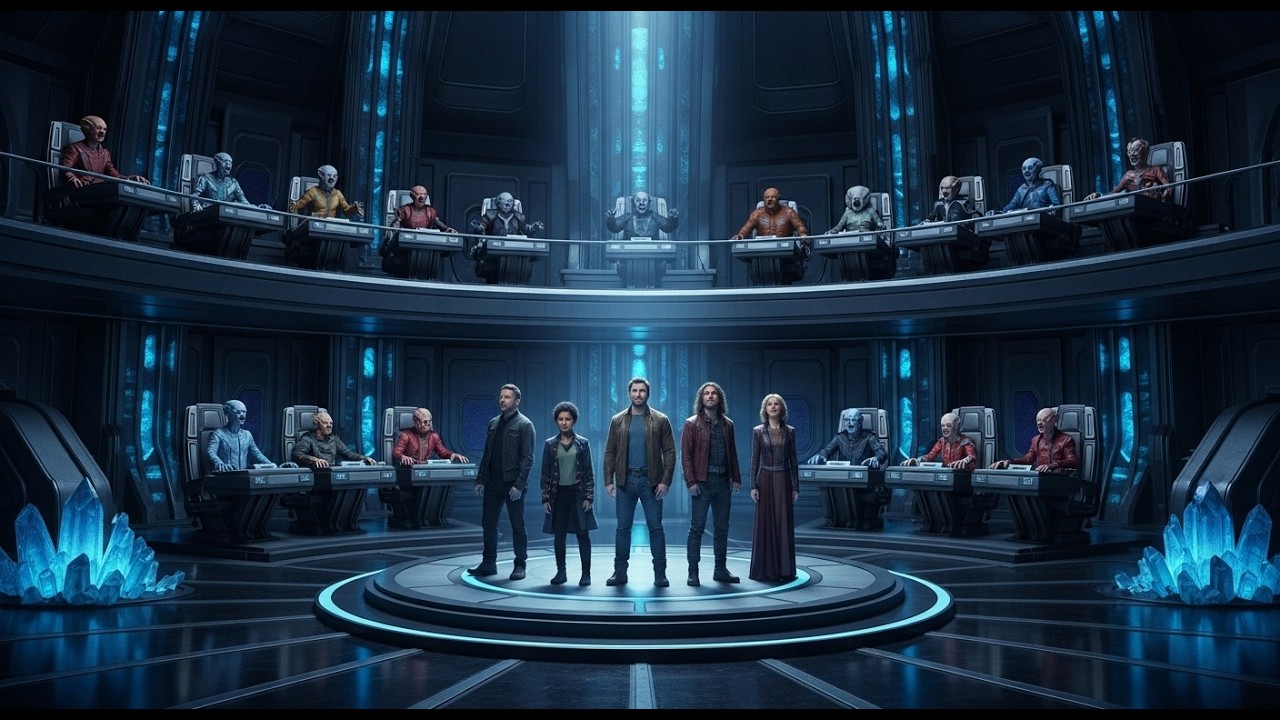
The Vereth are dying, and you feel it in the pauses between thought and speech, in the unsteady voices, in the neural link indicators pulsing irregularly. The Galactic Council’s cold consensus – “we’ve filed your extinction” – is chilling. The human transport being layered and re-welded, not impressive, is a perfect contrast. The archive’s “evident discomfort” at listing a species as extant after 12 near-extinctions – that’s a great detail. The world-building is sparse but evocative.
Number 2. Character Cred: 9 out of 10
Elder Keth Soru is our observer, and her confusion is our confusion. She’s a professional who’s filed 42 first contact reports, and she can’t categorize what she’s seeing. Dr. Yuna Osai is calm, direct, and doesn’t explain – she just shows the scar map. Dr. Arjun Vaith reading discarded data for 31 hours, then weeping in the corridor for a moment before going back in – that’s the heart of the story. The Vereth elders, with their dignity and despair, feel real.
Number 3. Xeno-Biology Integration: 9 out of 10
The neural cascade is the centerpiece – a degradation of the link between thought and speech, between intention and motion. The “coherence layer” that the humans find – a narrow pathway of surviving tissue buried under 11 years of damage – is a brilliant biological concept. The solution isn’t a cure, it’s a guided pruning: letting 11-17% die so the rest can stabilize. That’s brutal biology, and it rings true. The Vereth’s neural link indicators pulsing in synchronized rhythm for the first time in 11 years at the end – beautiful.
Number 4. Dialogue Drip: 8 out of 10
The dialogue is sparse and weighted. “You found the residual coherence layer.” “We looked at what had already failed.” The Council Chair’s horrified “You are proposing we let a portion of the population die” – and Osai’s quiet response that the cascade has already claimed them. The final lines of the observation report: “We assumed they came to save the Verith from death. That was the second mistake. They came to teach the Verith how to use it.” The words hit hard because there are so few of them.
Number 5. The Xeno-WTF Meter: 9 out of 10
The aliens – the 47 civilizations, the Council, even Keth Soru – all made the same assumption: that the problem was irreversible. They looked for what was still functioning. Humans looked at what had already failed. That inversion is the Xeno-WTF. The moment Keth Soru realizes the data was always there, in the discarded files, for 6 years – and no one else saw it. The human team arguing constantly, treating disagreement as the point, not the obstacle – that alienates the aliens who value consensus. It’s all about a fundamentally different cognitive approach.
Number 6. The “Hold My Beer” Quotient: 8 out of 10
This is a quiet “Hold My Beer.” The humans show up with beat-up equipment and a willingness to read 6-year-old discarded files. They propose a solution that has a 17% mortality rate, and they don’t flinch. The “Hold My Beer” is Dr. Vaith weeping for 30 seconds and then going back to work. It’s not loud or flashy – it’s the stubborn, persistent, emotional endurance of a species that’s faced extinction 12 times and keeps going.
Number 7. Action & Escalation: 7 out of 10
There’s no action in the traditional sense. The escalation is intellectual and emotional. The 4 months of work, the failures, the adjustments – it’s all described at a distance. But the tension comes from the mortality estimate, from watching the Vereth elders make an impossible choice, from the single moment of tears in the corridor. It’s a different kind of escalation, and it works for this story.
Number 8. Narrative Gut-Punch: 10 out of 10
Dr. Vaith weeping. That’s the gut-punch. A human scientist, in a corridor, for a brief moment, processing the weight of what they’re doing – letting some Vereth die to save the rest. And then he wipes his face and goes back in. That moment encapsulates everything about this story. Humans feel the weight – they weep, they grieve – but they don’t stop. The gut-punch is the realization that humanity’s strength isn’t being unfeeling, it’s feeling and continuing anyway. The final line of Keth Soru’s report – “They came to teach the Verith how to use death” – that’s the second gut-punch.
Number 9. Endgame Payoff: 9 out of 10
The payoff isn’t a victory parade. It’s the coherence indicators pulsing in synchronized rhythm for the first time in 11 years. It’s the humans packing their equipment without ceremony, already asking for the next data set. It’s Keth Soru staring at the archive’s list of 12 human extinction events, each one annotated, each one a record of a species that learned to use its own destruction as a tool. The payoff is the quiet understanding that humanity is something the galaxy has no name for yet.
Number 10. The Overall “HFY!” Factor: 10 out of 10
This is HFY at its most profound. It’s not about winning wars or blowing up fleets. It’s about looking at a problem that 47 civilizations declared impossible and finding a solution in the discarded files. It’s about a species that has survived its own extinction 12 times learning to turn that experience into a gift for others. The message is that humanity’s greatest asset isn’t our technology or our strength – it’s our relationship with failure, with loss, with death. We’ve been through the fire so many times that we know how to navigate it. That’s terrifying, and it’s beautiful.
HFY HUB Score – 8.8 out of 10
Video Courtesy of – The Humanity Paradox
Video URL – They Forgot About Humanity. That Was Their Last Mistake